Punta Cana, a stunning gem nestled in the Dominican Republic, is often celebrated for its pristine beaches and luxurious resorts. However, to truly appreciate this tropical paradise, one must delve deeper into its vibrant cultural landscape. The essence of Punta Cana extends far beyond its picturesque coastlines; it is a rich tapestry woven from the threads of history, tradition, and the daily lives of its people. Understanding the local culture and finding things to do in Bavaro Punta Cana during April not only enhances your travel experience but also fosters a deeper connection with the destination.
The cultural experiences in Punta Cana during April are as diverse as its landscapes. From exploring the rhythmic beats of traditional music echoing through the streets to indulging in the tantalizing aromas wafting from local kitchens, there are endless things to do in Punta Cana hardthings to do in Punta Cana hard that showcase the island's heritage. Visitors have the opportunity to engage with the Dominican way of life through various activities that showcase the island's heritage. Whether it's savoring authentic dishes, participating in local festivals, or exploring art galleries that feature works from talented artisans, there is an abundance of ways to immerse oneself in the culture.Moreover, understanding Punta Cana's culture allows travelers to appreciate the significance of its traditions and customs. The Dominican Republic has a rich history influenced by indigenous Taíno roots, Spanish colonization, and African heritage.
This blend has given rise to unique art forms, music styles like merengue and bachata, and culinary delights that reflect the island's diverse influences. By engaging with these cultural elements, visitors can gain insights into the values and beliefs that shape the lives of the local community.In essence, exploring all about Punta Cana means embracing its cultural richness. As you embark on your journey through this enchanting destination, take the time to connect with its people and traditions. Doing so will not only enrich your travel experience but also leave you with lasting memories that go beyond sun-soaked days on the beach.
The Essence of Dominican Culture
The cultural landscape of Punta Cana is a vibrant tapestry woven from the threads of its rich history, diverse influences, and enduring traditions.To truly appreciate the essence of Dominican culture, one must explore its roots, which are deeply embedded in the legacies of the indigenous Taíno people, African heritage, and Spanish colonization.The Taíno were the original inhabitants of the Dominican Republic, and their influence is still felt today. They contributed significantly to the island's agricultural practices, introducing crops such as cassava and sweet potatoes. The Taíno language has also left its mark on modern Spanish, with words like hammock and barbecue deriving from their vocabulary. Visitors to Punta Cana can gain insight into Taíno culture by exploring sites like Indigenous Eyes Ecological Park, where educational programs highlight their history and contributions.Following the arrival of Christopher Columbus in 1492, Spanish colonization began to reshape the cultural landscape.
The Spanish brought with them their language, religion, and customs, which blended with Taíno traditions to create a unique cultural identity. This fusion is evident in various aspects of Dominican life, from music and dance to culinary practices.One of the most significant influences on Dominican culture comes from Africa. The transatlantic slave trade brought a large number of Africans to the island, who contributed their own rich traditions in music, dance, and spirituality. The rhythms of African drumming can be heard in traditional Dominican music genres such as merengue and bachata , which are integral to social gatherings and celebrations.The interplay between these diverse cultural influences has given rise to a vibrant array of traditions that define life in Punta Cana today.
Festivals celebrating music, dance, and food are commonplace, showcasing the island's rich heritage. For instance, during Carnival season, locals don colorful costumes and participate in lively parades that reflect both African and European influences.In addition to music and dance, Dominican cuisine is another vital aspect of cultural expression. Traditional dishes often feature a blend of indigenous ingredients and African cooking techniques. Staples like sancocho , a hearty stew made with various meats and root vegetables, exemplify this culinary fusion.Understanding the cultural heritage of Punta Cana is essential for anyone looking to immerse themselves in its local experiences.
By appreciating the historical context behind its traditions, visitors can engage more meaningfully with the vibrant culture that defines this beautiful region.
Exploring Local Markets and Art Galleries
When visiting Punta Cana, one of the most enriching experiences is exploring its vibrant local markets and art galleries. These venues not only showcase the creativity of local artisans but also provide a glimpse into the rich cultural tapestry of the Dominican Republic.Punta Cana Markets
The local markets in Punta Cana are bustling hubs of activity where visitors can immerse themselves in the authentic Dominican atmosphere. Here, you can find a variety of handmade crafts, from intricate jewelry to colorful textiles. The markets are perfect for those looking to take home unique souvenirs that reflect the local culture.
- Handmade Crafts: Look for items such as handwoven baskets, pottery, and wood carvings that showcase the skills of local artisans.
- Local Produce: Many markets also offer fresh fruits and vegetables, allowing visitors to taste the flavors of the region.
- Street Food: Don’t miss out on trying local delicacies from food stalls, which often serve traditional Dominican snacks and meals.
Art Galleries in Punta Cana
Punta Cana is home to several art galleries that highlight both contemporary and traditional Dominican art.
These galleries serve as platforms for local artists to display their work, ranging from paintings and sculptures to photography and mixed media. A visit to these galleries can deepen your understanding of the cultural influences that shape Dominican art.
- Local Artists: Many galleries feature works by emerging artists, providing a fresh perspective on modern Dominican life.
- Cultural Exhibitions: Some galleries host rotating exhibitions that focus on specific themes or historical contexts, offering insights into the island's heritage.
- Workshops: Participating in art workshops can be a fantastic way to engage with the local art scene and even create your own masterpiece.
Savoring Traditional Dominican Cuisine
When visiting Punta Cana, indulging in the local cuisine is an essential part of the experience. The culinary landscape here is a vibrant tapestry woven from the rich history and diverse cultural influences of the Dominican Republic.From traditional dishes that have been passed down through generations to modern interpretations of classic flavors, there is something to satisfy every palate.
Traditional Dominican Dishes
- Sancocho : Often considered the national dish, sancocho is a hearty stew that combines various meats—such as chicken, pork, and beef—with root vegetables like yucca and plantains. The dish is simmered in a flavorful broth seasoned with herbs and spices, making it a comforting meal perfect for family gatherings.
- Mofongo : This iconic dish features fried green plantains that are mashed and mixed with garlic, olive oil, and chicharrón (fried pork skin). Mofongo can be served as a side or topped with a variety of fillings, including shrimp, chicken, or vegetables, offering a delightful blend of textures and flavors.
- La Bandera : Translating to "The Flag," this dish represents the colors of the Dominican flag. It typically consists of rice, beans, and meat (usually chicken or beef), served with a side of salad.
La Bandera is a staple in Dominican households and showcases the simplicity yet richness of local ingredients.
- Pastellón : A delicious casserole made with layers of sweet plantains and ground meat, pastellón is often compared to lasagna but with a tropical twist. The sweetness of the plantains balances perfectly with the savory filling, making it a must-try for visitors.
International Cuisine Options
While traditional Dominican food is a highlight, Punta Cana also boasts a wide array of international dining options. Visitors can find everything from Italian trattorias serving homemade pasta to Asian fusion restaurants offering sushi and dim sum. Here are some popular international cuisines you can explore:
- Mexican Cuisine : Enjoy authentic tacos, enchiladas, and guacamole at various Mexican restaurants throughout Punta Cana.
The vibrant flavors and fresh ingredients make for an exciting dining experience.
- Italian Cuisine : Indulge in classic Italian dishes such as pizza and risotto at local pizzerias and trattorias. Many establishments pride themselves on using fresh ingredients sourced from local markets.
- Seafood Specialties : Given its coastal location, Punta Cana offers an abundance of seafood options. Restaurants serve freshly caught fish prepared in various styles—from grilled to ceviche—allowing diners to savor the ocean's bounty.
Don't miss out on the chance to taste the diverse offerings that reflect the heart and soul of this beautiful region.
Engaging with Traditional Cultural Activities
Engaging with the rich cultural tapestry of Punta Cana offers visitors a unique opportunity to connect with the traditions and heritage of the Dominican Republic. One of the most immersive ways to experience this culture is through traditional cultural activities that highlight the vibrant music, dance, and history of the region.Folklore Shows
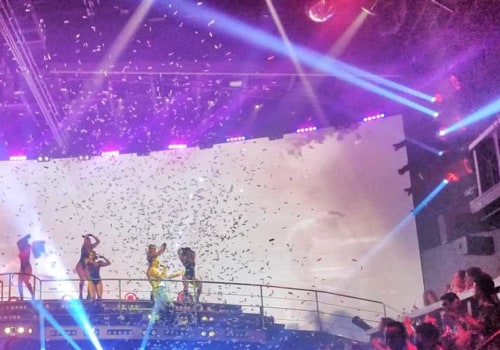
One of the highlights of experiencing local culture in Punta Cana is attending a folklore show. These performances are a celebration of Dominican heritage, showcasing traditional music and dance forms such as merengue and bachata. Folklore shows often feature skilled dancers adorned in colorful costumes, accompanied by live musicians playing traditional instruments like the güira and marimba.
Visitors can expect an engaging atmosphere where they can not only watch but also participate in the dances, making it a memorable experience.
Workshops on Taíno Culture
The Indigenous Eyes Ecological Park and Reserve is a must-visit for those interested in learning about the Taíno culture, the island's original inhabitants. The park offers workshops that delve into various aspects of Taíno life, including their art, music, and spiritual beliefs. Participants can engage in hands-on activities such as crafting traditional Taíno pottery or learning about their agricultural practices. This immersive experience provides valuable insights into how the Taíno people lived in harmony with nature and their enduring influence on Dominican culture.
Cultural Festivals
Punta Cana hosts numerous cultural festivals throughout the year that celebrate its diverse heritage.
These festivals often include live music performances, art exhibitions, and culinary showcases that highlight local flavors. Attending these events allows visitors to interact with local artisans and performers, fostering a deeper appreciation for Dominican traditions. Whether it's sampling traditional dishes or dancing to live music, these festivals are an excellent way to engage with the community.
Conclusion
By participating in folklore shows, workshops on Taíno culture, and cultural festivals, visitors to Punta Cana can gain a profound understanding of the region's rich traditions. These experiences not only entertain but also educate, allowing travelers to leave with lasting memories and a deeper connection to the Dominican Republic's vibrant cultural landscape.
Attending Cultural Festivals Throughout the Year
Punta Cana is not just a paradise for sun-seekers; it is also a vibrant hub of cultural festivities that reflect the rich heritage of the Dominican Republic.Throughout the year, visitors can immerse themselves in a variety of cultural festivals that celebrate music, art, and food, providing an authentic glimpse into local traditions.
Music Festivals
For music enthusiasts, Punta Cana offers an array of festivals that showcase the diverse sounds of the Dominican Republic. One of the most anticipated events is the Dominican Annual Music Festival, held every April. This festival attracts both local and international artists, featuring genres such as bachata, merengue, and salsa. Attendees can enjoy live performances, dance workshops, and even meet-and-greet sessions with artists.Another notable event is the Punta Cana Jazz Festival, which typically takes place in November.This festival brings together talented jazz musicians from around the world, creating a unique blend of sounds that resonate with both locals and tourists. The atmosphere is electric, with performances held in picturesque outdoor venues that enhance the experience.
Art Festivals
The artistic spirit of Punta Cana shines through its annual Punta Cana Arts Festival. Scheduled for November, this festival features exhibitions from local and international artists, showcasing everything from traditional crafts to contemporary art. Workshops and lectures are also part of the program, allowing attendees to engage directly with artists and learn about their creative processes.Visitors can explore various art forms, including painting, sculpture, and photography.The festival not only promotes artistic expression but also fosters a sense of community among artists and art lovers alike.
Food Festivals
No cultural exploration in Punta Cana would be complete without indulging in its culinary delights. The Gastronomy Festival, held in November alongside the arts festival, celebrates Dominican cuisine with tastings, cooking demonstrations, and workshops. This event is a feast for the senses, offering visitors a chance to savor traditional dishes like sancocho and mofongo while learning about their cultural significance.Throughout the year, smaller food events pop up across Punta Cana, often featuring local chefs who showcase their culinary skills. These festivals provide an excellent opportunity to taste authentic Dominican flavors while mingling with locals.In summary, attending cultural festivals in Punta Cana is an enriching experience that allows visitors to connect with the heart and soul of the Dominican Republic.Whether you are dancing to lively music, admiring stunning artwork, or savoring delicious food, these events offer unforgettable memories that go beyond typical tourist activities.
The Role of Music and Dance in Dominican Culture
Music and dance are integral to the cultural fabric of the Dominican Republic, particularly in Punta Cana, where these art forms serve as a vibrant expression of the nation’s identity. The rhythms of Dominican music resonate deeply within the hearts of locals and visitors alike, creating an atmosphere that is both festive and welcoming.Among the most celebrated genres are bachata and merengue , each with its own unique history and significance. Bachata originated in the rural areas of the Dominican Republic in the early 20th century, characterized by its romantic themes and guitar-driven melodies. It has evolved over the years, incorporating influences from various musical styles, yet it remains a staple at social gatherings, where couples often take to the dance floor to express their emotions through movement.Merengue, on the other hand, is recognized as the national dance of the Dominican Republic.Its lively tempo and infectious beat make it a favorite at celebrations, parties, and festivals. The dance involves simple steps that can be easily learned, allowing people of all ages to participate. Merengue's roots can be traced back to African rhythms and European influences, showcasing a rich blend of cultural heritage.In Punta Cana, music and dance are not just forms of entertainment; they are vital components of social life. Local festivals often feature live performances where talented musicians showcase their skills on instruments like the accordion, saxophone, and tambora.
These events provide an opportunity for community bonding as people come together to celebrate their culture.Moreover, many resorts and venues in Punta Cana offer dance classes for tourists eager to learn bachata or merengue. These classes not only teach the steps but also delve into the cultural significance behind each movement, enriching visitors' understanding of Dominican traditions.In summary, music and dance in Punta Cana are more than just enjoyable pastimes; they are essential expressions of Dominican culture that foster community spirit and celebrate shared heritage. Engaging with these art forms allows visitors to connect with the local culture on a deeper level, making their experience in Punta Cana truly unforgettable.
Artistic Expressions: From Traditional to Contemporary
The artistic landscape of the Dominican Republic, particularly in Punta Cana, is a vibrant tapestry woven from its rich history and diverse cultural influences. From the indigenous Taíno heritage to the colonial Spanish impact, the evolution of art in this region reflects a unique blend of traditions and modern expressions.Traditional Dominican Art Forms
Traditional Dominican art is deeply rooted in the island's history.
The Taíno people, the island's original inhabitants, created pottery, carvings, and textiles that often depicted their connection to nature and spirituality. These early art forms laid the groundwork for what would evolve into a broader artistic expression influenced by African, European, and indigenous elements.One of the most notable traditional art forms is merengue, which is not just a musical genre but also an integral part of the visual arts through dance and performance. The vibrant costumes worn during merengue festivals are a testament to the creativity and craftsmanship of local artisans.
Contemporary Artists in Punta Cana
As Punta Cana has developed into a major tourist destination, it has also become a hub for contemporary artists who draw inspiration from both their heritage and modern influences. Artists like Jorge Pineda and María de los Ángeles are making waves in the local art scene with their innovative approaches that blend traditional techniques with contemporary themes.Pineda’s work often incorporates elements of nature, reflecting the stunning landscapes of Punta Cana, while de los Ángeles focuses on social issues through her vibrant paintings that challenge viewers to think critically about their surroundings.
Art Exhibitions in Punta Cana
Punta Cana hosts several art exhibitions throughout the year that showcase both established and emerging artists.
The Punta Cana Art Gallery is a prominent venue where visitors can explore a diverse range of artworks, from paintings to sculptures. This gallery not only features local talent but also invites international artists to exhibit their work, fostering a global dialogue through art.Additionally, events like the Punta Cana Arts Festival provide an excellent platform for artists to display their creations while engaging with the community. Workshops and interactive sessions during these festivals allow attendees to gain hands-on experience in various artistic techniques, further enriching their understanding of Dominican culture.In conclusion, exploring the artistic expressions in Punta Cana offers visitors a unique glimpse into the soul of the Dominican Republic. From traditional crafts that honor ancestral legacies to contemporary works that challenge perceptions, the art scene here is as dynamic as it is diverse.
Conclusion: Embracing the Cultural Richness of Punta Cana
As we conclude our exploration of the vibrant cultural landscape of Punta Cana, it becomes clear that this destination offers much more than just stunning beaches and luxurious resorts.Engaging with the local culture is not only enriching but also essential for a truly memorable experience. By immersing yourself in the traditions, art, and culinary delights of the Dominican Republic, you gain a deeper understanding of the people and their way of life.Throughout this article, we have highlighted various avenues to connect with the culture of Punta Cana. From visiting local markets and galleries to savoring traditional dishes, each experience provides a unique glimpse into the heart of Dominican heritage. The opportunity to witness traditional music and dance at folklore shows or participate in cultural festivals allows visitors to appreciate the rich tapestry of customs that define this region.Moreover, engaging with local artisans and attending workshops can foster a sense of community and connection.
These interactions not only support local economies but also create lasting memories that go beyond typical tourist experiences. Whether you are learning about Taíno history at Indigenous Eyes Ecological Park or enjoying the lively atmosphere of a music festival, each moment spent in Punta Cana contributes to a broader appreciation of its cultural richness.In summary, embracing the cultural experiences available in Punta Cana is an invitation to explore the soul of the Dominican Republic. As you plan your visit, consider setting aside time to engage with the local culture. Seek out opportunities to learn, taste, and celebrate alongside the residents.
By doing so, you will not only enhance your travel experience but also leave with a greater appreciation for this beautiful destination.So, as you embark on your journey to Punta Cana, remember that the true essence of this paradise lies in its culture. Embrace it fully, and you will return home with stories and memories that will last a lifetime.