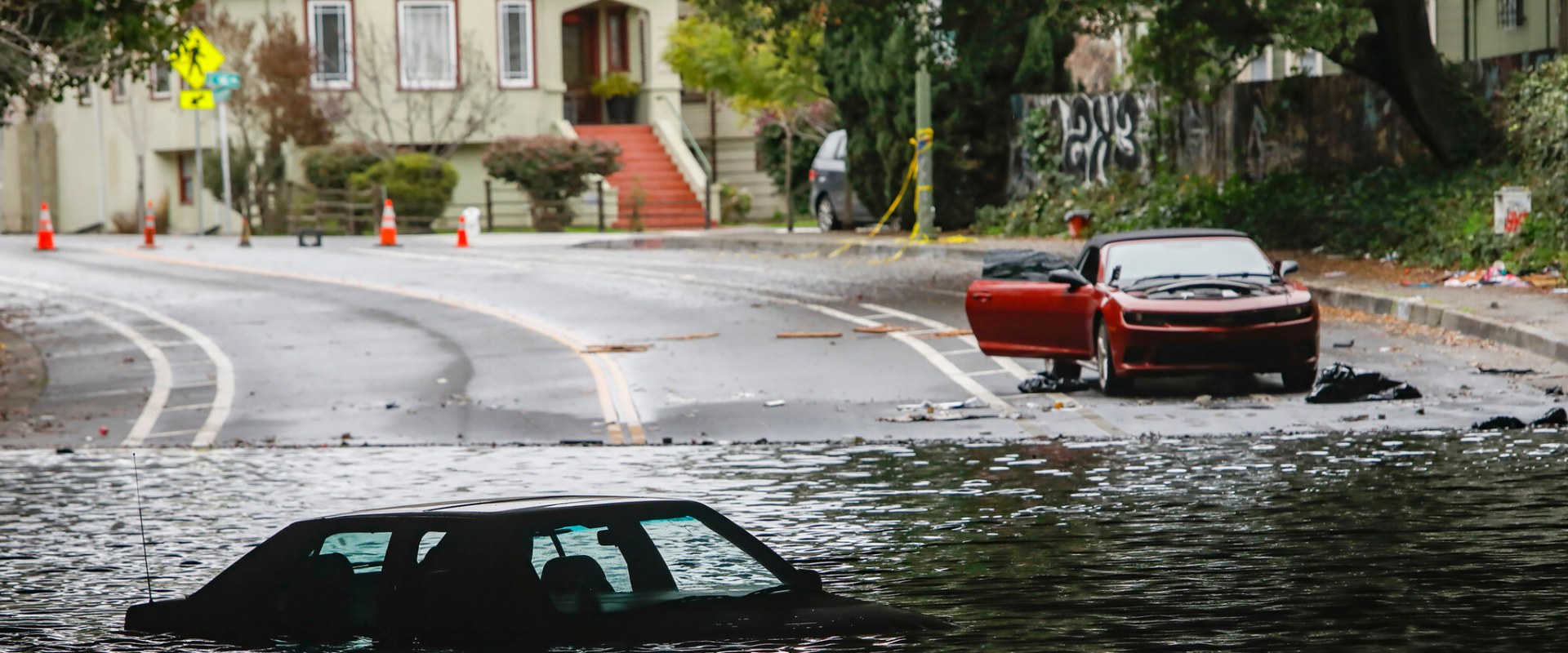
Flash floods are sudden and intense floods that can occur within minutes or hours of heavy rainfall, making them one of the most dangerous natural disasters. Unlike regular floods that develop over days, flash floods can catch individuals and communities off guard, leading to devastating consequences. Understanding the dynamics of flash floods is crucial for anyone living in or visiting areas prone to such events, including popular tourist destinations like Punta Cana.The primary causes of flash floods include intense rainfall, rapid snowmelt, or the sudden release of water from dams or levees. When the ground becomes saturated and cannot absorb any more water, or when rain falls at a rate that exceeds the capacity of drainage systems, flash flooding can occur.
This phenomenon is particularly common in regions with steep terrain, where water can quickly rush down slopes and overwhelm low-lying areas.Flash flood warnings are issued by meteorological agencies to alert residents and visitors about the imminent threat of flooding. These warnings are based on real-time weather data and forecasts, allowing individuals to take necessary precautions. It is essential to pay attention to these alerts, as they provide critical information on when and where flooding may occur. Being informed can mean the difference between safety and disaster.In addition to understanding what causes flash floods and how warnings are issued, it is vital to be prepared for such emergencies.
Developing an emergency plan, knowing evacuation routes, and having an emergency kit ready can significantly enhance your safety during a flash flood event. By taking proactive steps and staying informed, you can protect yourself and your loved ones from the dangers posed by flash floods.Developing an emergency plan, knowing evacuation routes, and having an emergency kit ready can significantly enhance your safety during a flash flood event. By taking proactive steps and staying informed, you can protect yourself and your loved ones from the dangers posed by flash floods.
What Causes Flash Floods?
Flash floods are complex phenomena that arise from a combination of various environmental factors. Understanding what causes these sudden and often devastating events is essential for effective preparedness and response. Here, we explore the primary contributors to flash floods, including heavy rainfall , topography , and soil saturation .Heavy Rainfall
The most significant trigger for flash floods is intense or prolonged rainfall.
When rain falls at a rate that exceeds the ground's ability to absorb it, water begins to accumulate rapidly. This can occur during:
- Severe thunderstorms: These storms can produce large amounts of rain in a short period, overwhelming drainage systems.
- Tropical storms and hurricanes: These weather systems can bring sustained heavy rainfall over several days, leading to widespread flooding.
- Seasonal monsoons: In certain regions, monsoon seasons can result in heavy downpours that saturate the ground.
Topography
The geographical features of an area play a crucial role in determining how water flows during heavy rainfall. Areas with steep slopes or mountainous terrain are particularly susceptible to flash floods. When rain falls on these slopes, gravity causes the water to rush downhill quickly, often leading to:
- Rapid runoff: Water flows swiftly down hillsides, gathering speed and volume as it descends.
- Constricted valleys: Narrow valleys can channel water into a smaller area, increasing the risk of flooding.
- Urban development: In cities, impervious surfaces like roads and buildings prevent water absorption, exacerbating runoff issues.
Soil Saturation
The condition of the soil is another critical factor in flash flood occurrences.
When soil becomes saturated from previous rainfall or melting snow, it loses its ability to absorb additional water. This saturation can lead to:
- Increased surface runoff: Water cannot penetrate the ground and instead flows over the surface, contributing to flooding.
- Erosion: Saturated soil is more prone to erosion, which can create channels for water flow and increase flood risks.
- Groundwater levels: High groundwater levels can also contribute to surface flooding as they rise closer to the surface during heavy rains.
Understanding Flash Flood Warnings
Flash flood warnings are critical alerts issued by the National Weather Service (NWS) to inform the public about the imminent threat of flash flooding. Understanding how these warnings are generated and what they signify is essential for ensuring safety during severe weather events.The flash flood warning system operates on a tiered structure, which includes several levels of alerts:- Flash Flood Watch: This alert indicates that conditions are favorable for flash flooding in the area.
While it does not guarantee that flooding will occur, residents should remain vigilant and be prepared to take action if conditions worsen.
- Flash Flood Warning: When a flash flood warning is issued, it means that flash flooding is either occurring or imminent. This is a critical alert that requires immediate action. Residents in affected areas should seek higher ground and avoid any low-lying regions.
- Flash Flood Emergency: This is the most severe level of warning, indicating that life-threatening flash flooding is occurring. It calls for immediate evacuation and action to protect life and property.
Meteorologists analyze these factors to determine whether conditions warrant a watch or warning. Additionally, local weather patterns, topography, and soil saturation levels play significant roles in this assessment.For residents in areas prone to flash floods, it is crucial to stay informed through reliable sources such as local news outlets, weather apps, and the NWS website. Understanding the different warning levels can help individuals make informed decisions about their safety during severe weather events.In summary, being aware of the flash flood warning system and its various levels can significantly enhance preparedness and response efforts during potential flooding situations. Always heed warnings from the NWS and take proactive measures to ensure your safety and that of your loved ones.
How to Stay Informed About Flash Floods
Staying informed about flash floods is crucial for ensuring your safety and the safety of those around you.In regions like Punta Cana, where sudden weather changes can lead to flash flooding, being proactive in gathering information can make a significant difference. Here are some effective ways to stay updated on flash flood warnings:
- Local News Outlets: Tune into local television and radio stations that provide real-time updates on weather conditions. These outlets often have meteorologists who can give detailed forecasts and alerts specific to your area.
- Weather Apps: Download reliable weather applications on your smartphone. Many apps offer customizable alerts for severe weather, including flash flood warnings.
Look for apps that provide radar images and hourly forecasts to help you understand the situation better.
- National Weather Service (NWS): The NWS is a primary source for weather-related information in the United States. Their website and social media channels provide timely updates on flash flood warnings, watches, and advisories. You can also sign up for email or text alerts directly from their site.
- Emergency Alert System (EAS): This system broadcasts emergency information through radio and television. Ensure your devices are set to receive these alerts, as they can provide immediate notifications about flash floods in your area.
- Community Alert Systems: Many local governments have their own alert systems that send notifications via text or email.
Check with your local emergency management office to see if such a service is available in Punta Cana.
Your safety should always be the top priority.
Precautionary Measures Before a Flash Flood
Preparing for a flash flood is crucial, especially in areas prone to sudden weather changes. Taking proactive steps can significantly enhance your safety and that of your loved ones. Here are some essential precautionary measures to consider:Create an Emergency Kit
An emergency kit is a vital resource during any natural disaster, including flash floods. Here’s what to include:- Water: Store at least one gallon of water per person per day for at least three days.
- Non-perishable Food: Include a three-day supply of food that requires no cooking or refrigeration, such as canned goods, energy bars, and dried fruits.
- First Aid Supplies: A well-stocked first aid kit should contain bandages, antiseptics, pain relievers, and any necessary prescription medications.
- Flashlight and Batteries: Power outages are common during severe weather; ensure you have a reliable flashlight and extra batteries.
- Multi-tool or Swiss Army Knife: This can be invaluable for various tasks during an emergency.
- Whistle: Use it to signal for help if you become trapped.
- Personal Documents: Keep copies of important documents (IDs, insurance policies) in a waterproof container.
- Cash: In case of power outages, ATMs may not be operational; having cash on hand can be helpful.
Develop an Evacuation Plan
An effective evacuation plan is essential for ensuring the safety of your family during a flash flood.Here are steps to create one:
- Identify Safe Locations: Research and designate safe areas where you can evacuate, such as higher ground or designated shelters.
- Create a Communication Plan: Ensure all family members know how to contact each other in case of separation. Consider using text messages or social media as they may work when phone lines are down.
- Practice Your Plan: Conduct regular drills with your family to ensure everyone knows the evacuation routes and procedures.
- Stay Informed: Sign up for local alerts and warnings regarding severe weather conditions. Knowing when to evacuate is critical.
What to Do During a Flash Flood
When a flash flood strikes, the situation can escalate rapidly, making it crucial to know the right actions to take.Here are essential steps to ensure your safety during such an emergency.
Stay Informed
First and foremost, keep yourself updated with the latest weather reports and alerts. Utilize reliable sources such as:
- Local news stations
- The National Weather Service (NWS)
- Emergency management agencies
Seek Higher Ground Immediately
If you receive a flash flood warning or notice rising water levels, your first action should be to seek higher ground. This is critical because:
- Flash floods can occur with little to no warning, and water levels can rise quickly.
- Even a few inches of fast-moving water can sweep you off your feet.
- Hills or elevated terrain
- Sturdy buildings on higher ground
- Bridges or overpasses (if safe to access)
Avoid Flooded Areas
It is vital to avoid walking or driving through flooded areas. The water may conceal dangerous debris, downed power lines, or washed-out roads.
If you encounter a flooded road:
- Turn around and find an alternate route.
- If you are in a vehicle, do not attempt to drive through standing water.
If Trapped, Stay Safe
If you find yourself trapped by rising waters:
- Move to the highest point in your location.
- Signal for help if possible, using a whistle or bright clothing.
Create an Emergency Plan
Preparation is key. Before a flash flood occurs, develop an emergency plan that includes:
- A designated meeting place for family members
- A communication strategy to stay in touch
- A kit with essential supplies like food, water, medications, and important documents
After a Flash Flood: Recovery and Safety Tips
Once the immediate threat of a flash flood has passed, the focus shifts to recovery and ensuring safety as you return to your home or community. It is crucial to approach this phase with caution and preparedness.Assessing Safety Before Returning
Before heading back to your residence, it’s essential to ensure that it is safe to do so. Here are some steps to consider:
- Listen for Updates: Stay tuned to local news broadcasts or emergency services for updates on the situation.
They will provide information on road conditions and safety advisories.
- Check for Evacuation Orders: Ensure that any evacuation orders have been lifted before returning. Authorities will typically announce when it is safe to go back.
- Inspect Surroundings: Look for visible signs of danger such as downed power lines, unstable structures, or hazardous debris before entering your property.
Returning Home: What to Do
When you return home, take the following precautions:
- Wear Protective Gear: Equip yourself with sturdy boots, gloves, and a mask if necessary. This will protect you from sharp objects and potential contaminants in the water.
- Avoid Floodwaters: Even if the water appears to have receded, avoid walking through it as it may still be contaminated or hiding dangerous debris.
- Document Damage: Take photos or videos of any damage for insurance purposes. This documentation can be crucial when filing claims.
Assessing Damage
Once you are safely inside your home, begin assessing the damage:
- Check Utilities: Turn off electricity and gas if you suspect flooding has affected these systems.
Do not turn them back on until a professional has deemed it safe.
- Inspect for Mold: Look for signs of mold growth, which can develop quickly in damp conditions. If mold is present, consider hiring professionals for removal.
- Evaluate Structural Integrity: Check walls, floors, and ceilings for cracks or warping that may indicate structural damage.
Contact Professionals
If significant damage has occurred, contact professionals such as contractors or restoration services. They can provide guidance on repairs and help ensure your home is safe for habitation again.The aftermath of a flash flood can be overwhelming, but by taking these steps, you can navigate the recovery process more effectively while prioritizing your safety and well-being.
Conclusion: Staying Safe During Flash Floods
In conclusion, understanding the risks associated with flash floods and being prepared can significantly enhance your safety during such emergencies. Flash floods can occur with little to no warning, making it crucial to stay informed and ready to act swiftly.Here are some key takeaways to keep in mind:
- Stay Informed: Regularly check weather updates from reliable sources, such as the National Weather Service or local news outlets. Being aware of potential flash flood warnings in your area, especially in regions like Punta Cana, is vital.
- Have an Emergency Plan: Create a comprehensive emergency plan that includes evacuation routes and a communication strategy for your family. Ensure everyone knows what to do in case of a flash flood.
- Know Your Surroundings: Familiarize yourself with the geography of your area. Understanding which locations are prone to flooding can help you make informed decisions during a storm.
- Prepare an Emergency Kit: Assemble a kit that includes essential items such as water, non-perishable food, medications, flashlights, batteries, and important documents.
This kit should be easily accessible in case you need to evacuate quickly.
- Act Quickly: If a flash flood warning is issued, do not hesitate. Move to higher ground immediately and avoid driving or walking through flooded areas. Remember that just a few inches of moving water can knock you off your feet.