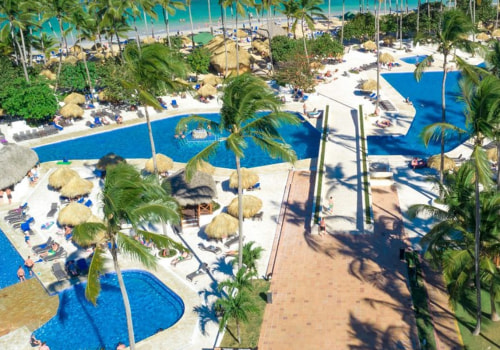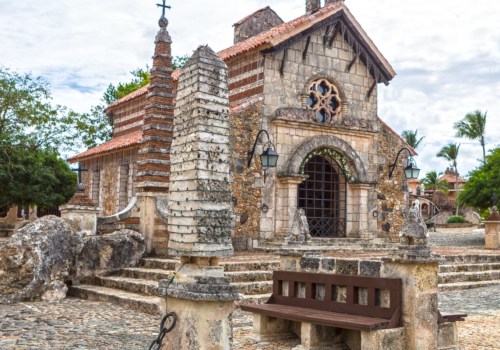
Punta Cana, located on the easternmost tip of the Dominican Republic, is a tropical paradise that has captured the hearts of travelers from around the globe. Known for its stunning white-sand beaches, crystal-clear turquoise waters, and luxurious resorts, this destination offers an idyllic escape for those seeking both relaxation and adventure. Whether you’re lounging under a palm tree with a cocktail in hand or exploring vibrant coral reefs, Punta Cana provides a unique blend of experiences that cater to every type of traveler. As you plan your journey to this Caribbean gem, understanding the Punta Cana, located on the easternmost tip of the Dominican Republic, is a tropical paradise that has captured the hearts of travelers from around the globe. Known for its stunning white-sand beaches, crystal-clear turquoise waters, and luxurious resorts, this destination offers an idyllic escape for those seeking both relaxation and adventure. Whether you’re lounging under a palm tree with a cocktail in hand or exploring vibrant coral reefs, Punta Cana provides a unique blend of experiences that cater to every type of traveler. As you plan your journey to this Caribbean gem, understanding the best time to visit Punta Canabest time to visit Punta Cana is crucial for maximizing your experience. The climate here is generally warm and inviting year-round, but experiencing Punta Cana nightlifePunta Cana nightlife during certain months offer distinct advantages that can enhance your trip. From lively festivals to serene beach days, each season brings its own charm and opportunities for exploration. This travel guide will delve into the various seasons in Punta Cana, helping you determine when to book your getaway based on your preferences for weather, activities, and local events. Throughout the year, Punta Cana showcases a variety of attractions that highlight its rich culture and natural beauty, including the vibrant punta cana nightlife and the question on many travelers' minds: is there gambling in Punta Cana? Visitors can indulge in water sports like snorkeling and scuba diving, embark on thrilling excursions to nearby islands, or immerse themselves in the local cuisine at beachfront restaurants. Additionally, the vibrant nightlife scene offers entertainment options ranging from laid-back beach bars to energetic nightclubs. and the question on many travelers' minds: is there gambling in Punta Cana? Visitors can indulge in water sports like snorkeling and scuba diving, embark on thrilling excursions to nearby islands, or immerse themselves in the local cuisine at beachfront restaurants. Additionally, the vibrant nightlife scene offers entertainment options ranging from laid-back beach bars to energetic nightclubs.
With so much to see and do, it’s no wonder that Punta Cana is often regarded as one of the top travel destinations in the Caribbean.In this article, we will explore all about Punta Cana—its breathtaking landscapes, diverse activities, and cultural experiences—while providing insights into when to visit for the best possible experience. Whether you’re planning a romantic getaway, a family vacation, or an adventure with friends, understanding the seasonal nuances will help you make informed decisions and create unforgettable memories in this tropical haven.With so much to see and do, it’s no wonder that Punta Cana is often regarded as one of the top travel destinations in the Caribbean.In this article, we will explore all about Punta Cana—its breathtaking landscapes, diverse activities, and cultural experiences—while providing insights into when to visit for the best possible experience. Whether you’re planning a romantic getaway, a family vacation, or an adventure with friends, understanding the seasonal nuances will help you make informed decisions and create unforgettable memories in this tropical haven.
Understanding Punta Cana's Climate
Punta Cana, located on the easternmost tip of the Dominican Republic, boasts a tropical climate that is characterized by warm temperatures and high humidity throughout the year. Understanding the climate in Punta Cana is essential for travelers looking to make the most of their visit.The average temperature in Punta Cana typically ranges from 75°F to 88°F (24°C to 31°C). The warmest months are usually from June to September, where temperatures can peak at around 90°F (32°C).Conversely, the cooler months, from December to February, see temperatures averaging around 70°F (21°C) during the evenings, making it a pleasant time for outdoor activities.Humidity levels in Punta Cana are consistently high, often exceeding 80%. This can make the heat feel more intense, especially during the summer months. Travelers should be prepared for this by staying hydrated and taking breaks in shaded areas or air-conditioned spaces.Rainfall is another important aspect of Punta Cana's climate. The region experiences a distinct wet season from May to October, with September and October being the rainiest months.
During this period, brief but heavy showers are common, often followed by sunshine. The dry season runs from November to April, making it an ideal time for visitors who prefer sunny days and minimal rainfall.When planning your trip, consider these seasonal weather patterns:
- Dry Season (November to April): This is considered the best time to visit Punta Cana due to lower humidity and minimal rain. Expect plenty of sunshine and comfortable temperatures.
- Wet Season (May to October): While this period sees more rain, it also offers lush landscapes and fewer crowds. If you don’t mind occasional showers, you can find great deals on accommodations.
- Hurricane Season (June to November): Although hurricanes are not guaranteed, it's wise to keep an eye on weather forecasts during this time.
Most storms occur in August and September.
Peak Tourist Seasons in Punta Cana
Punta Cana experiences distinct peak tourist seasons that significantly influence the overall travel experience, including prices, crowd sizes, and the availability of activities. Understanding these seasons can help you plan your trip more effectively and ensure you get the most out of your visit.Winter Holidays: December to February
The winter months, particularly from December to February, mark the peak tourist season in Punta Cana. This period coincides with the holiday season, attracting visitors from colder climates seeking warmth and sunshine.
During these months, you can expect:
- Higher Prices: Accommodations and flights tend to be at their most expensive during this time due to increased demand.
- Crowded Beaches: Popular beaches and resorts can become quite crowded, making it essential to book your accommodations early.
- Festive Atmosphere: The holiday season brings a vibrant atmosphere with special events, parties, and local celebrations that enhance the travel experience.
Spring Break: March to April
Following the winter holidays, spring break (March to April) is another peak time for tourists, particularly among college students. This season is characterized by:
- Vibrant Nightlife: Many resorts host lively parties and events catering to younger crowds.
- Increased Activity Options: Excursions and activities may be more crowded, so booking in advance is advisable.
Summer Vacation: June to August
The summer months also see a surge in visitors as families take advantage of school vacations. While this season is popular, it differs from winter in several ways:
- Moderate Prices: Prices may be slightly lower than during the winter peak season, making it a more budget-friendly option for families.
- Warm Weather: Expect hot temperatures and occasional rain showers, but overall, summer remains a great time for beach activities.
- Family-Friendly Activities: Many resorts offer special programs for children and families during this time.
Off-Peak Season: September to November
The off-peak season runs from September to November when fewer tourists visit Punta Cana. This period offers several advantages:
- Lower Prices: Travelers can find significant discounts on accommodations and activities.
- Less Crowding: Enjoy a more relaxed atmosphere with fewer crowds at popular attractions.
- Hurricane Season Considerations: Be aware that this period coincides with hurricane season; however, many storms do not directly impact Punta Cana.
Whether you prefer the bustling energy of winter holidays or the quieter charm of off-peak months, Punta Cana has something to offer year-round.
Off-Peak Travel: Benefits and Drawbacks
Traveling to Punta Cana during the off-peak season can be a rewarding experience, offering a unique blend of benefits and drawbacks that every traveler should consider. Understanding these factors can help you make an informed decision about when to visit this stunning Caribbean destination.Benefits of Visiting Off-Peak
- Cost Savings: One of the most significant advantages of traveling during the off-peak season is the potential for substantial savings. Hotels and resorts often lower their rates to attract visitors during quieter months, allowing you to enjoy luxurious accommodations at a fraction of the price. Additionally, flights tend to be cheaper, making it easier to stick to your budget.
- Fewer Crowds: Off-peak travel means fewer tourists, which translates to a more relaxed atmosphere.
You can enjoy popular attractions, beaches, and restaurants without the long lines and crowded spaces typical of peak season. This allows for a more intimate experience with the local culture and environment.
- Personalized Service: With fewer guests, staff at hotels and restaurants can provide more personalized attention. This can enhance your overall experience, as you may receive better service and have more opportunities for interaction with locals.
- Unique Experiences: Visiting during off-peak times may also allow you to participate in local events or festivals that are less crowded. This can provide a deeper insight into Dominican culture and traditions that you might miss during busier periods.
Drawbacks of Off-Peak Travel
- Weather Considerations: While Punta Cana generally enjoys warm weather year-round, the off-peak season often coincides with the rainy season.
This means you may encounter occasional downpours or storms, which could disrupt outdoor activities. It's essential to check weather patterns before planning your trip.
- Limited Availability of Activities: Some tours, excursions, or attractions may operate on reduced schedules or even close during off-peak months. This could limit your options for activities and experiences that are typically available during peak season.
- Less Vibrant Nightlife: If you're looking for a lively nightlife scene, visiting during off-peak times might not meet your expectations. Many bars and clubs may have shorter hours or fewer events scheduled, leading to a quieter atmosphere in the evenings.
Weighing these factors will help you determine if an off-peak visit aligns with your travel preferences and expectations.
Best Months to Visit Punta Cana
When planning your trip to Punta Cana, understanding the best months to visit can significantly enhance your experience. The weather, local events, and seasonal activities all play a crucial role in determining the ideal time for your visit. Below is a month-by-month breakdown to help you make an informed decision.January to March: Peak Season
The first quarter of the year is considered the peak season in Punta Cana. With average temperatures ranging from 75°F to 85°F (24°C to 29°C), this period offers pleasant weather, making it perfect for beach activities and outdoor excursions.- January: This month is characterized by low humidity and minimal rainfall, making it ideal for sunbathing and water sports.
The New Year celebrations also add a festive atmosphere.
- February: February continues the trend of beautiful weather. It’s also the month of the Dominican Carnival, where you can experience vibrant parades and local culture.
- March: As spring approaches, temperatures remain warm, and the beaches are less crowded compared to January and February. This is a great time for families to visit.
April to June: Transition Period
The transition from spring to summer brings warmer temperatures and occasional rain showers. While April still enjoys pleasant weather, by June, humidity levels rise.- April: April is still a great time to visit, with warm temperatures and fewer tourists.
It’s perfect for those looking for a quieter vacation.
- May: May marks the beginning of the rainy season, but showers are typically brief. This month is ideal for budget travelers as prices tend to drop.
- June: June sees increased humidity and more frequent rain. However, it’s also a great time for diving and snorkeling as marine life is abundant.
July to September: Summer Heat
The summer months can be hot and humid, with temperatures often exceeding 90°F (32°C). This period also coincides with hurricane season, so travelers should stay informed about weather conditions.- July: July is hot but offers plenty of sunshine.
It’s a popular month for families due to school vacations.
- August: August continues the heat wave but also features local festivals that showcase Dominican culture.
- September: September is typically one of the rainiest months. While it’s less crowded, travelers should be cautious of potential storms.
October to December: Off-Peak Season
The final months of the year see a decrease in tourist numbers as the weather begins to cool down and stabilize after hurricane season.- October: October is still part of hurricane season but offers lower prices on accommodations. It’s a good time for those willing to take some risks with the weather.
- November: November marks the end of hurricane season, with improving weather conditions. This month is ideal for travelers looking for deals before the holiday rush.
- December: December brings festive celebrations as Christmas approaches.
The weather is pleasant, making it one of the best times to visit if you enjoy holiday festivities.
Activities and Events Throughout the Year
Punta Cana is not just a tropical paradise; it’s a vibrant hub of activities and events that cater to all types of travelers throughout the year. Understanding the seasonal offerings can significantly enhance your experience, allowing you to immerse yourself in the local culture and enjoy unique attractions.Winter (December to February)
- Holiday Celebrations: The festive season in Punta Cana is marked by lively celebrations, including Christmas and New Year’s Eve parties. Many resorts host special events featuring traditional Dominican music, dance, and cuisine.
- Whale Watching: From January to March, the waters off the coast of Punta Cana become a sanctuary for humpback whales.
Tour operators offer excursions for visitors to witness these magnificent creatures during their mating season.
Spring (March to May)
- Spring Break: March and April attract college students from around the world for Spring Break. Expect vibrant nightlife, beach parties, and special events at popular resorts.
- Cultural Festivals: The Dominican Republic celebrates its Independence Day on February 27th with parades and cultural events. Visitors can enjoy local music, dance performances, and traditional food.
Summer (June to August)
- Beach Activities: Summer is perfect for water sports such as snorkeling, scuba diving, and kite surfing. The warm waters are ideal for exploring the vibrant marine life.
- Local Fairs: Various local fairs and markets pop up during summer months, showcasing handmade crafts, local art, and delicious street food.
Fall (September to November)
- Low Season Deals: Fall is considered the low season in Punta Cana, making it an excellent time for budget travelers.
Many resorts offer significant discounts on accommodations and activities.
- Cultural Events: The Dominican Republic’s Festival of Merengue takes place in October, celebrating the country’s rich musical heritage with performances from local artists.
Travel Tips for Visiting Punta Cana at Different Times of Year
When planning your trip to Punta Cana, understanding the seasonal variations can significantly enhance your experience. Each time of year offers unique opportunities and challenges, so here are some tailored travel tips to help you make the most of your visit.Travel Tips for Different Seasons
- Winter (December to February): This is peak tourist season in Punta Cana, thanks to the pleasant weather. Book your accommodations and flights well in advance to secure the best rates.
Expect larger crowds at popular attractions and beaches. To enjoy a more tranquil experience, consider visiting during weekdays.
- Spring (March to May): Spring is a fantastic time to visit as the weather remains warm but the crowds begin to thin out after Easter. This is also a great time for outdoor activities like hiking and exploring local markets. Pack light layers for cooler evenings and be sure to bring sunscreen as UV levels can be high.
- Summer (June to August): Summer brings higher temperatures and occasional rain showers.
If you’re traveling during this time, pack breathable clothing, swimwear, and a good rain jacket. Look for deals on all-inclusive resorts, as many offer discounts during the off-peak months. Be prepared for humidity and stay hydrated!
- Fall (September to November): This is considered hurricane season, so keep an eye on weather forecasts if you plan to visit during these months. While there may be some rain, you can often find great deals on accommodations.
Bring a flexible itinerary that allows for indoor activities in case of inclement weather.
Packing List Essentials
Your packing list should reflect both the climate and activities you plan to enjoy:- Clothing: Lightweight, breathable fabrics are essential. Include swimwear, cover-ups, and a light jacket for cooler evenings.
- Sunscreen: High SPF sunscreen is crucial due to the strong Caribbean sun. Don’t forget lip balm with SPF!
- Insect Repellent: Mosquitoes can be prevalent, especially in the evenings; pack a good insect repellent.
- Footwear: Comfortable sandals for the beach and sturdy shoes for excursions or hiking.
- Travel Documents: Ensure your passport is valid for at least six months beyond your planned departure date from the Dominican Republic.
Understanding Local Customs
Punta Cana is known for its warm hospitality, but being aware of local customs can enhance your experience:- Language: While many locals speak English in tourist areas, learning a few basic Spanish phrases can go a long way in showing respect and enhancing interactions.
- Tipping: Tipping is customary in restaurants and for service staff; consider leaving around 10-15% of your bill.
- Cultural Sensitivity: Dress modestly when visiting local towns or religious sites; this shows respect for local customs.
Frequently Asked Questions About Visiting Punta Cana
When planning a trip to Punta Cana, travelers often have numerous questions that can help enhance their experience. Here are some of the most frequently asked questions about visiting this stunning destination.What is the best time to visit Punta Cana?
The ideal time to visit Punta Cana is between December and April.During these months, the weather is typically dry and sunny, making it perfect for beach activities and outdoor excursions. However, if you prefer fewer crowds and lower prices, consider visiting during the shoulder seasons of late April to June or September to early November.
Do I need a visa to enter the Dominican Republic?
Most travelers from the United States do not need a visa for stays of up to 30 days. However, you will need a valid passport and may be required to pay a tourist card fee upon arrival. Always check the latest entry requirements before your trip.What currency is used in Punta Cana?
The official currency in Punta Cana is the Dominican Peso (DOP).While many resorts and businesses accept U. S. dollars, it’s advisable to have some local currency for smaller purchases. ATMs are widely available, but be aware of potential fees.
Is it safe to travel to Punta Cana?
Punta Cana is generally considered safe for tourists.However, like any travel destination, it’s important to stay vigilant. Avoid displaying valuables in public, stick to well-lit areas at night, and use reputable transportation services.
What should I pack for my trip?
When packing for Punta Cana, consider bringing:- Sunscreen: The sun can be intense, so a high SPF sunscreen is essential.
- Lightweight clothing: Breathable fabrics will keep you comfortable in the warm climate.
- Insect repellent: This is particularly important if you plan on exploring nature or visiting rural areas.
- Swimwear: Don’t forget your swimsuit for those beautiful beaches!
- A light jacket: Evenings can be cooler, especially during the winter months.
Are there any cultural customs I should be aware of?
The Dominican Republic has a rich culture influenced by its history and diverse population. It’s polite to greet locals with a friendly "Hola" and a smile. Additionally, tipping is customary in restaurants and for service staff; around 10-15% is standard.By addressing these common questions, you can better prepare for your trip and ensure a memorable experience in Punta Cana!Conclusion: Making the Most of Your Visit to Punta Cana
In conclusion, planning your visit to Punta Cana requires careful consideration of the timing to ensure you experience everything this stunning destination has to offer.Whether you are drawn to the pristine beaches, vibrant nightlife, or rich cultural experiences, understanding the seasonal variations can significantly enhance your trip.As discussed, the peak tourist season from December to April offers the best weather conditions, making it ideal for sun-seekers and beach lovers. However, this period also brings larger crowds and higher prices. If you prefer a more tranquil experience, consider visiting during the shoulder seasons of late spring or early fall. During these times, you can enjoy pleasant weather while avoiding the hustle and bustle of peak season.Moreover, each season in Punta Cana presents unique opportunities for exploration.
For instance:
- Winter (December to February): Perfect for enjoying holiday festivities and water sports.
- Spring (March to May): A great time for eco-tourism and exploring local flora and fauna.
- Summer (June to August): Ideal for families, with various kid-friendly activities and events.
- Fall (September to November): Offers lower rates and fewer tourists, although be mindful of hurricane season.
So pack your bags, prepare for adventure, and get ready to discover all about Punta Cana!.